

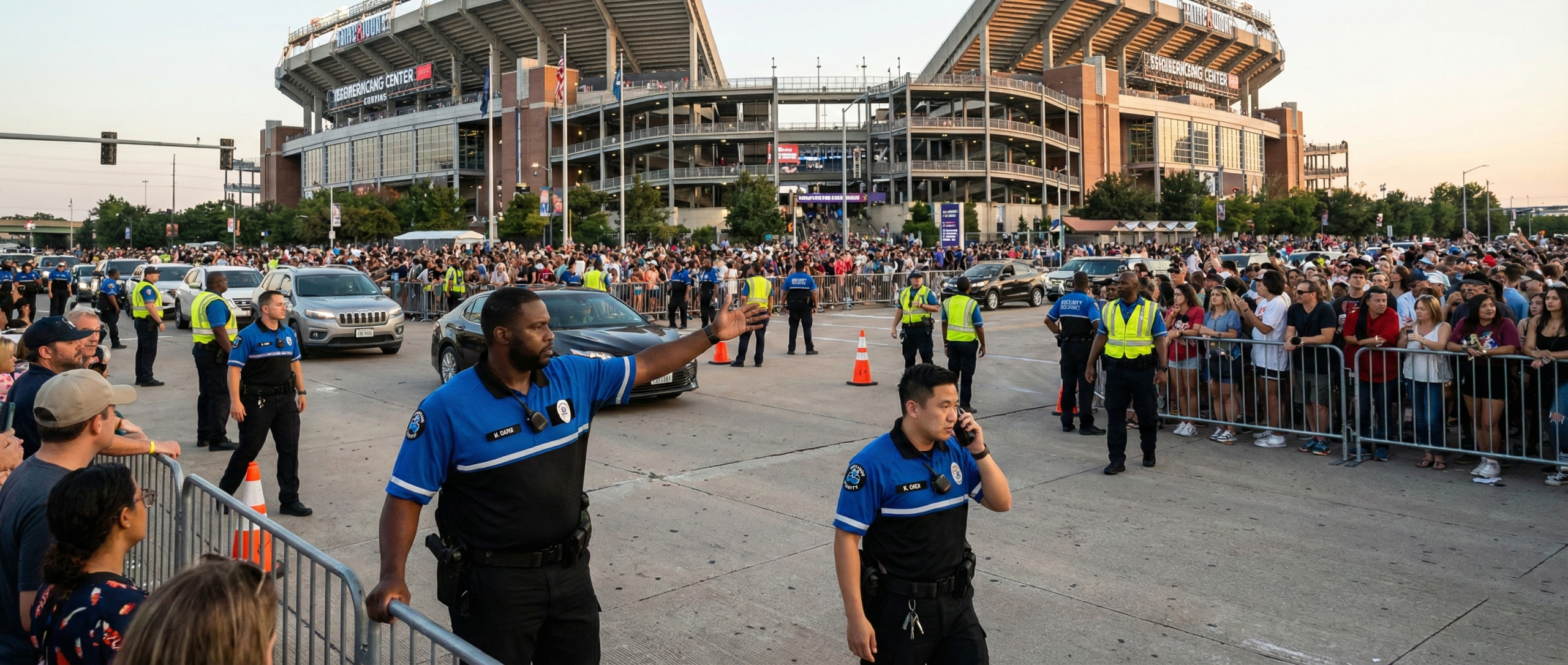
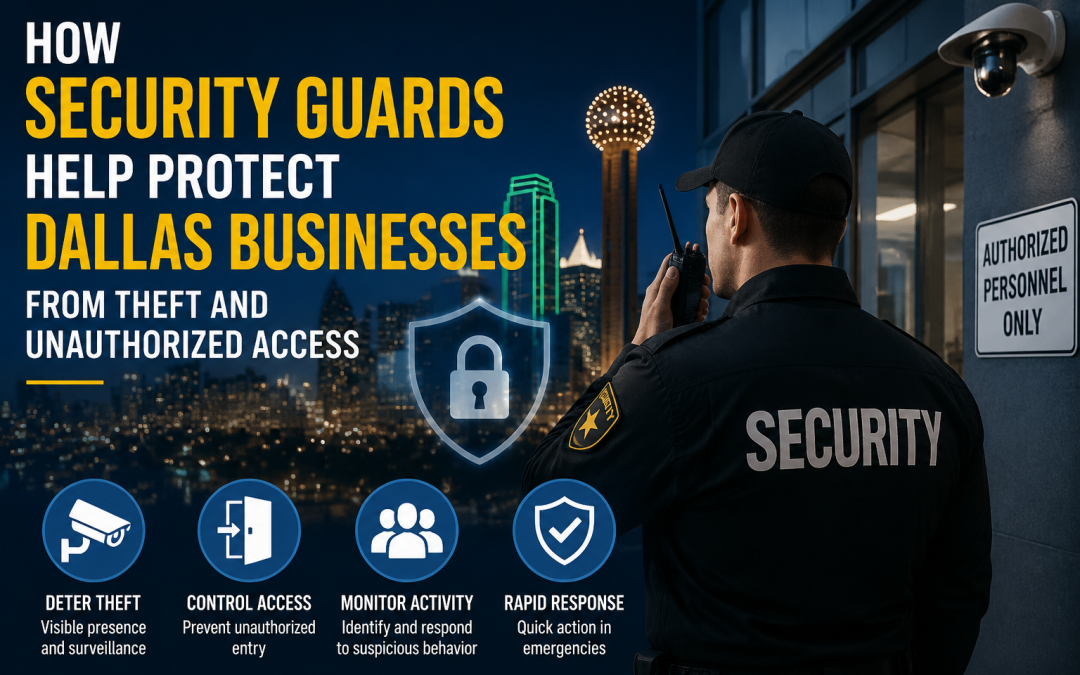
Security guards play a critical role in maintaining safety and responding to unexpected incidents in residential, commercial, and public environments. In emergency situations, their primary responsibility is to act quickly, follow trained procedures, and ensure the protection of people, property, and assets. Their response is structured, controlled, and based on risk assessment rather than panic or guesswork.
Immediate Assessment of the Situation
When an emergency occurs, the first step for a security guard is to assess the situation. This includes identifying the type of emergency such as fire, medical incident, intrusion, violence, or suspicious activity. Guards are trained to remain calm and quickly determine the level of threat so they can decide the appropriate response.
Ensuring Safety and Containment
After assessment, security guards focus on immediate safety measures. This may include evacuating people from danger zones, restricting access to affected areas, or isolating the threat if possible. The goal is to prevent the situation from escalating and to protect individuals from harm.
Communication and Reporting
Effective communication is a key part of emergency response. Security guards promptly report incidents to emergency services such as police, fire departments, or medical responders. They also inform site management or supervisors. Clear and accurate reporting ensures that professional responders arrive prepared and on time.
Emergency Protocols and Training
Security guards are trained to follow predefined emergency protocols. These procedures vary depending on the site and type of service but generally include evacuation plans, fire response steps, first aid measures, and lockdown procedures. Proper training ensures that guards respond efficiently without confusion during high-pressure situations.
Crowd Control and Coordination
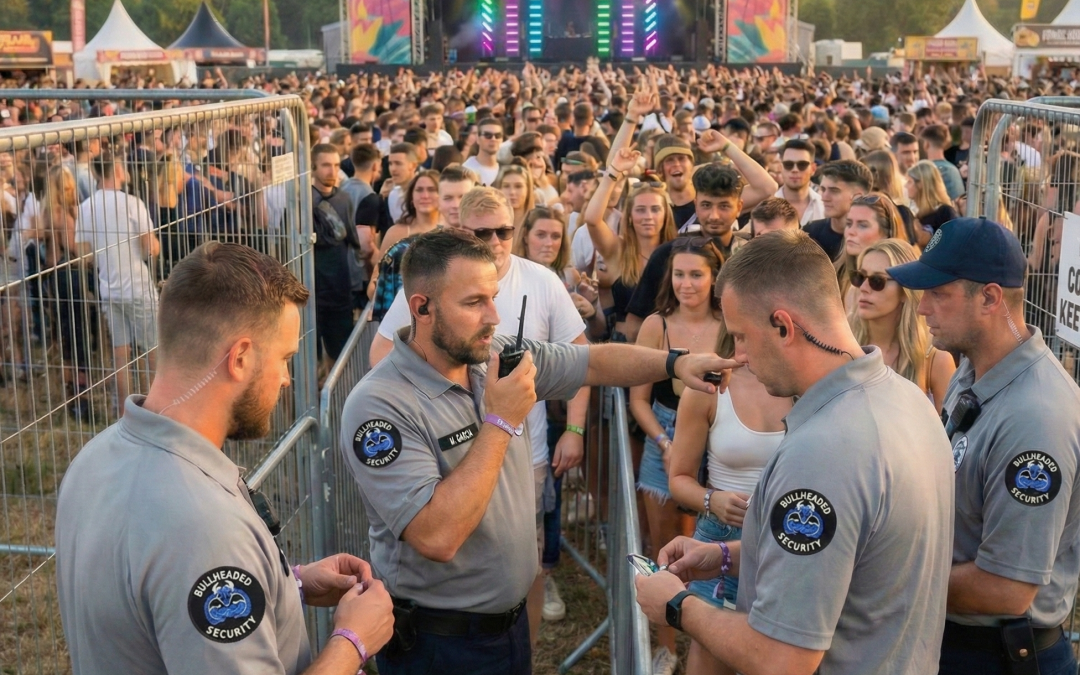
In emergencies involving multiple people, such as events or public places, security guards manage crowd movement to prevent panic and injuries. They guide people to safe exits, maintain order, and coordinate with other security personnel or emergency teams.
First Response Actions
In some cases, security guards provide initial assistance before emergency professionals arrive. This can include basic first aid, CPR, or controlling minor hazards like small fires, depending on their certification and training. Their quick action can significantly reduce damage or injury.
Post-Emergency Reporting and Documentation
After the situation is under control, security guards prepare detailed reports of the incident. This documentation includes timelines, actions taken, individuals involved, and outcomes. These reports are important for legal, operational, and safety improvements.
Importance of Professional Security Services
Professional security companies like Bullheaded Security provide trained personnel who are prepared to handle emergencies with discipline and efficiency. Their services help businesses, residential areas, and event venues maintain a safe environment and respond effectively to unexpected situations.
For reliable and professional security services, visit:
https://bullheadedsecurity.com/
Conclusion
Security guards handle emergency situations through structured assessment, quick response, effective communication, and adherence to trained procedures. Their role is essential in minimizing risks, protecting lives, and ensuring that emergencies are managed in a controlled and professional manner.



0 Comments